The world is full of patterns that often go unnoticed.
The rhythm of windows across a façade. The curve of a staircase. The shadows cast by a row of columns. Reflections that divide a surface into perfect symmetry. The quiet balance between solid and empty space.
Geometry is one of the oldest visual languages. It shapes architecture, landscapes, interiors, and objects long before color or decoration are introduced. Even in nature, order appears in repeating forms, branching structures, coastlines, and the paths carved by water and wind.
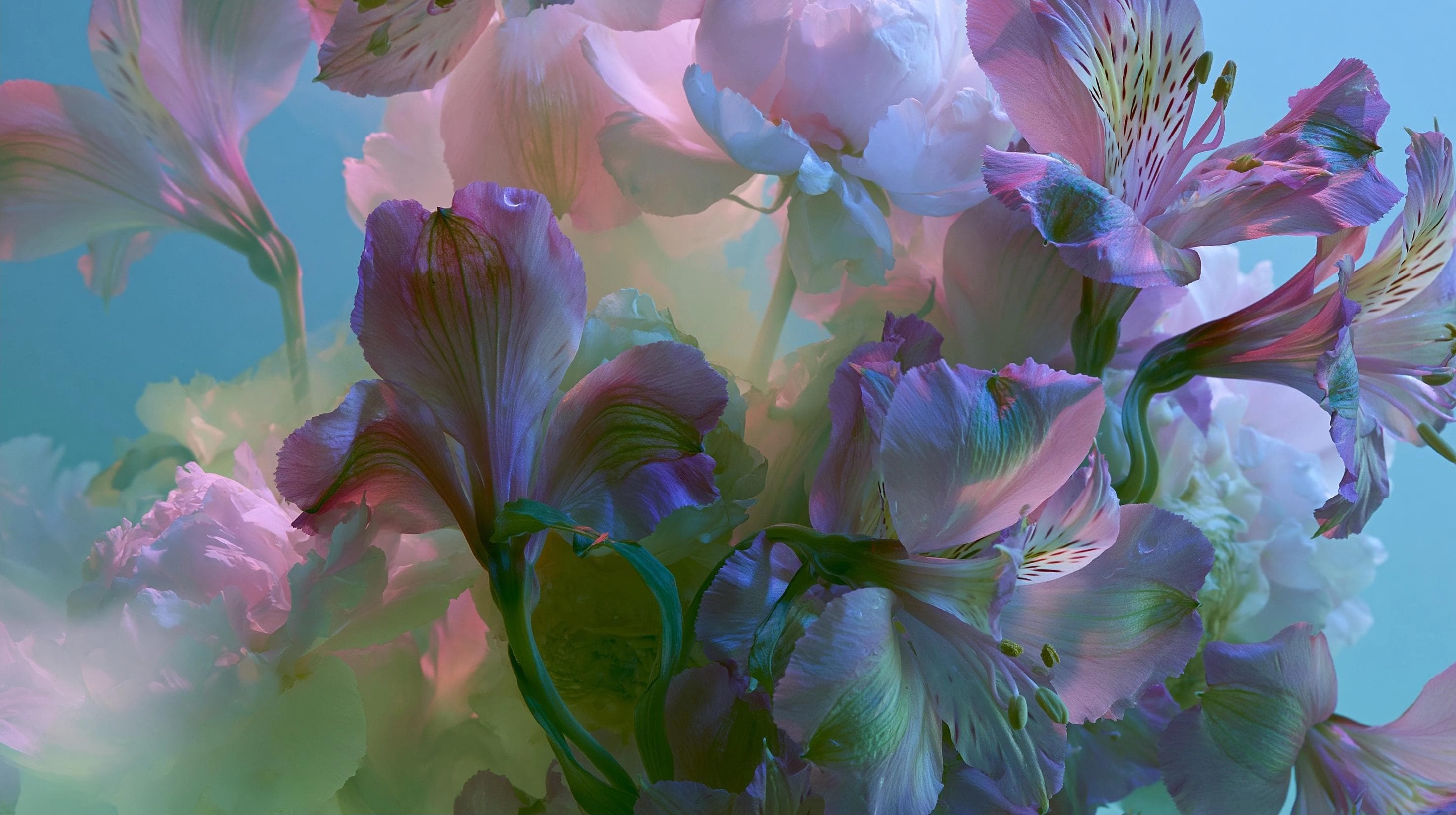
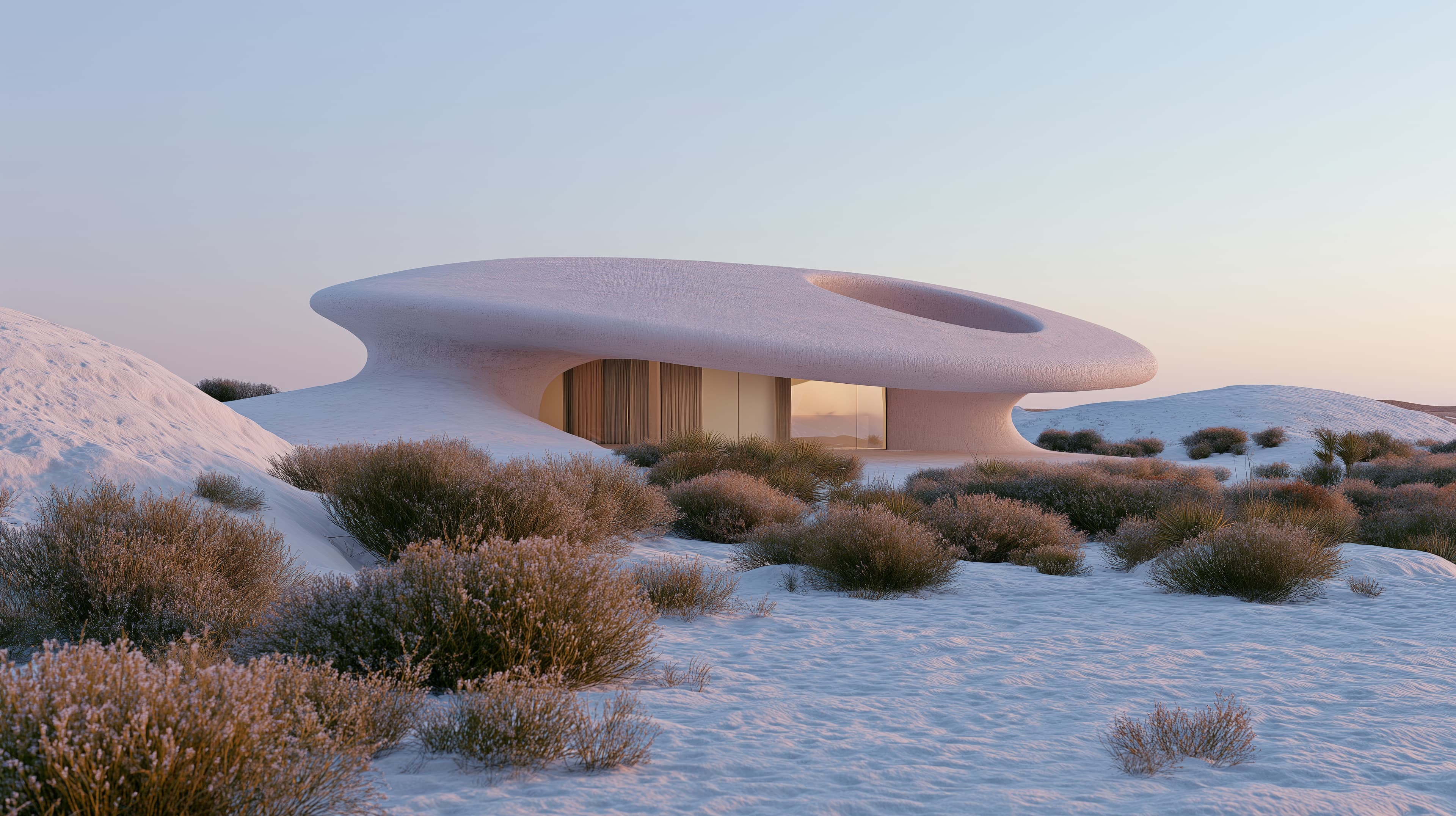
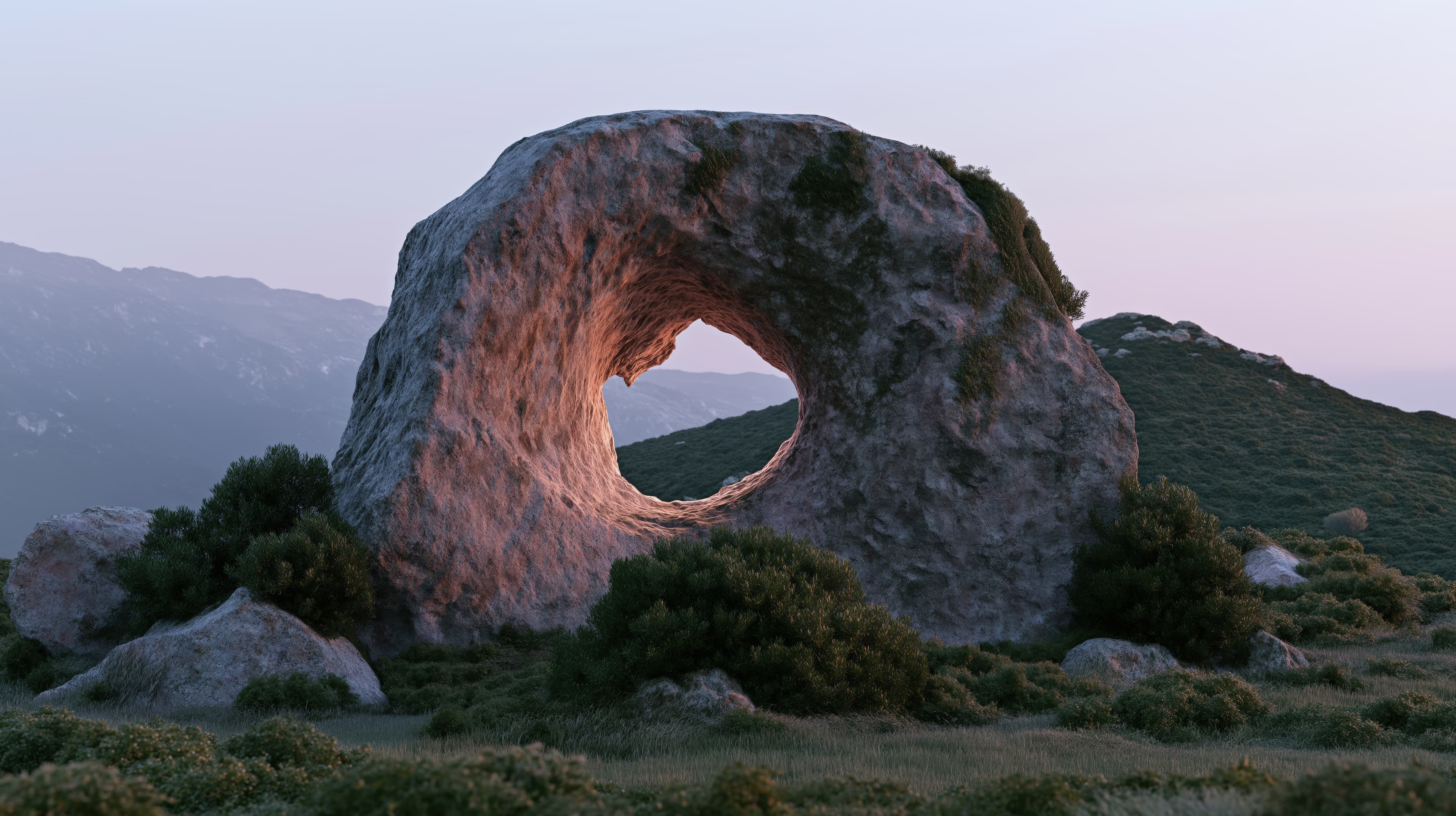
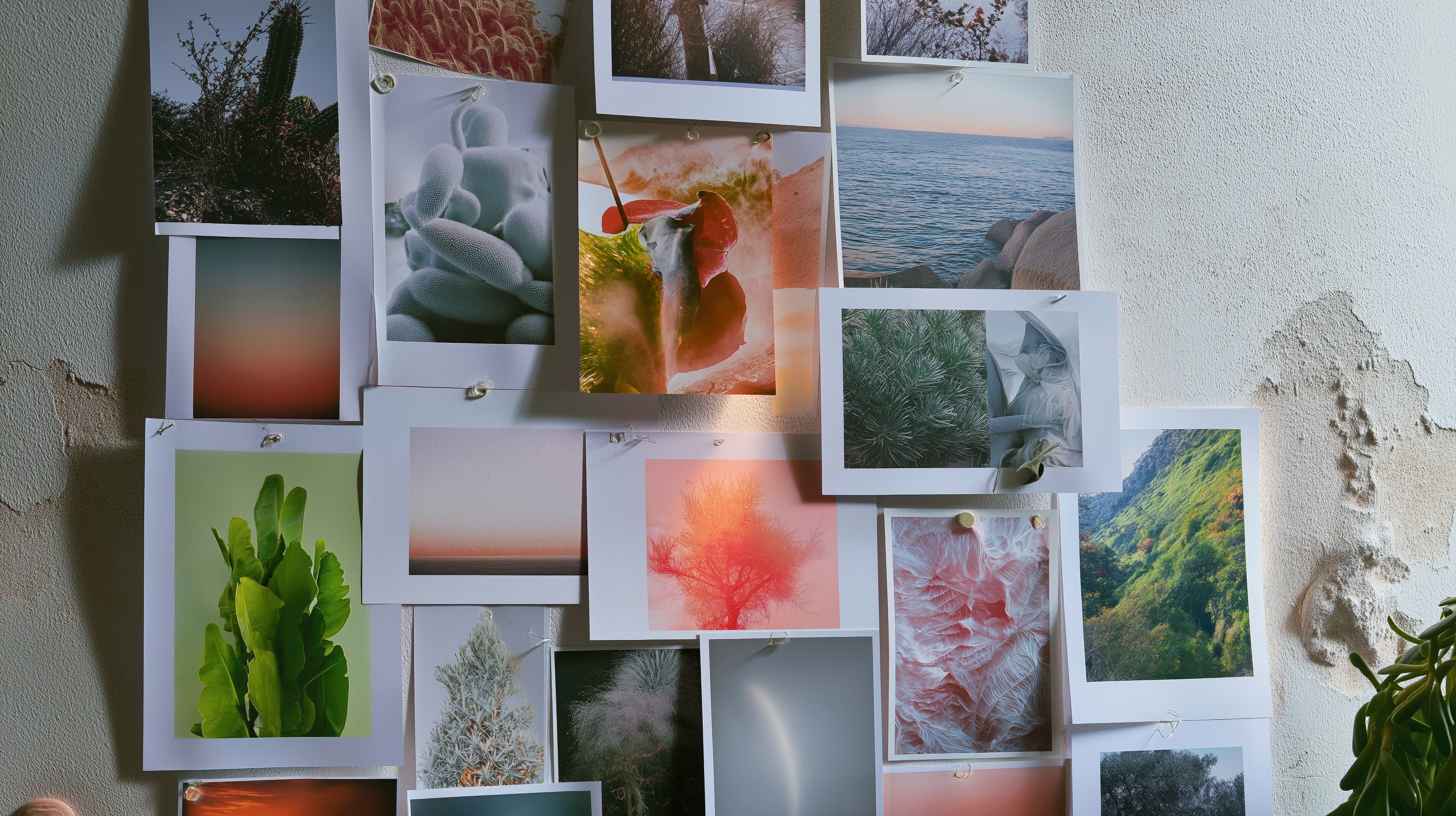
Hidden Geometry is a collection built around these relationships. Rather than documenting buildings or places, it explores composition itself. Lines become pathways through an image. Curves guide the eye. Repetition creates rhythm. Light transforms ordinary surfaces into abstract forms.
Many of these scenes exist in everyday environments. A pedestrian bridge viewed from above. Sunlight moving across a concrete wall. Rows of trees planted with quiet precision. The pattern of waves reaching a shoreline. Details that reveal themselves only when seen from the right perspective.
For designers, geometry provides clarity. Strong compositions leave room for typography, branding, and editorial layouts while maintaining visual interest. These images work across architecture, technology, luxury, publishing, finance, hospitality, and product design because they communicate structure, balance, and refinement without relying on trends.
The collection also reflects a way of seeing. It invites viewers to slow down and notice relationships that are easily overlooked: the dialogue between light and shadow, positive and negative space, order and irregularity, natural and built environments.
Every image in Hidden Geometry is selected for its compositional strength. Some feel almost abstract, others unmistakably real, but each reveals the quiet patterns that shape the spaces we move through every day.