The Aesthetics of Synthetic Worlds

The Aesthetics of Synthetic Worlds
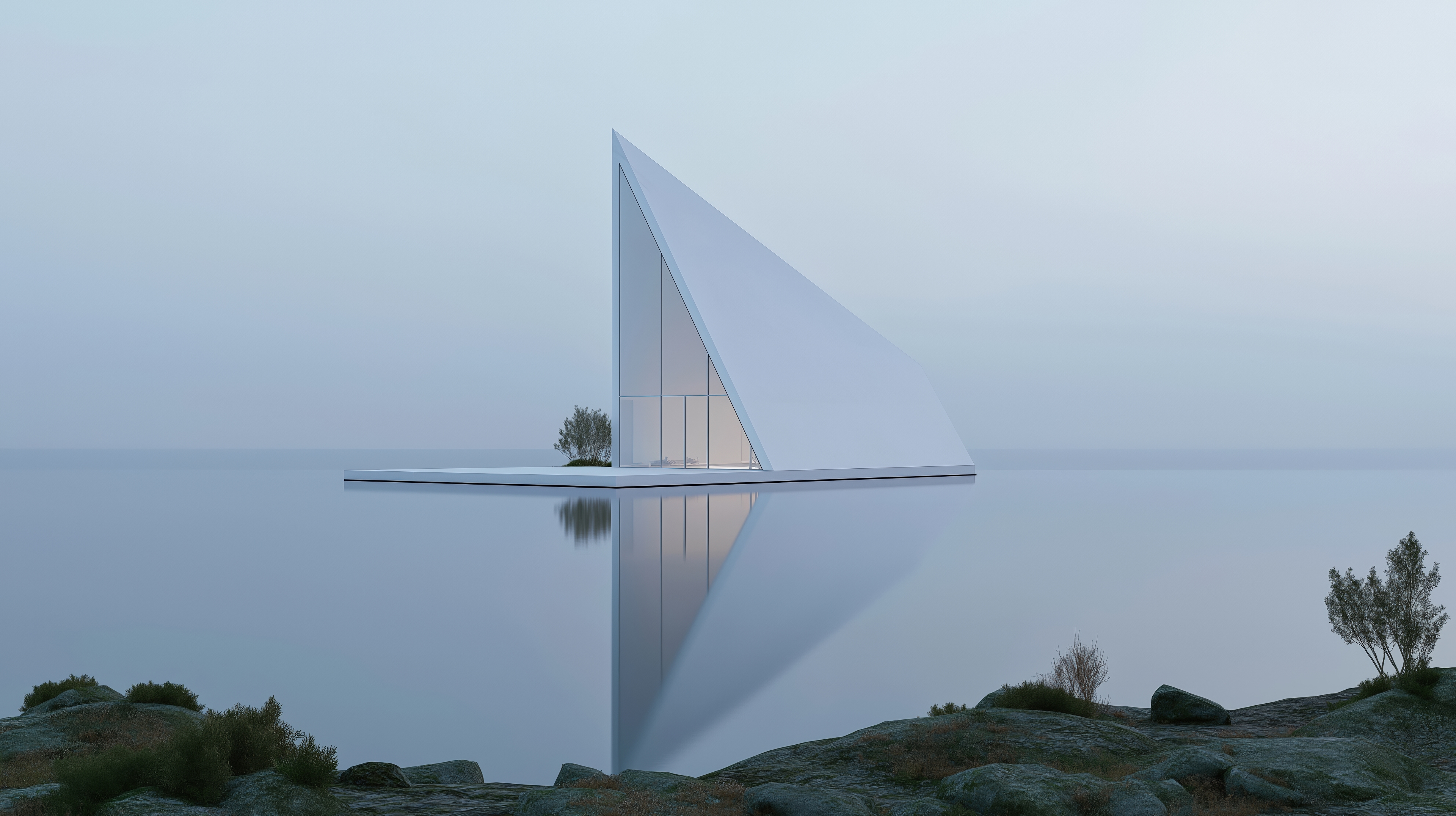
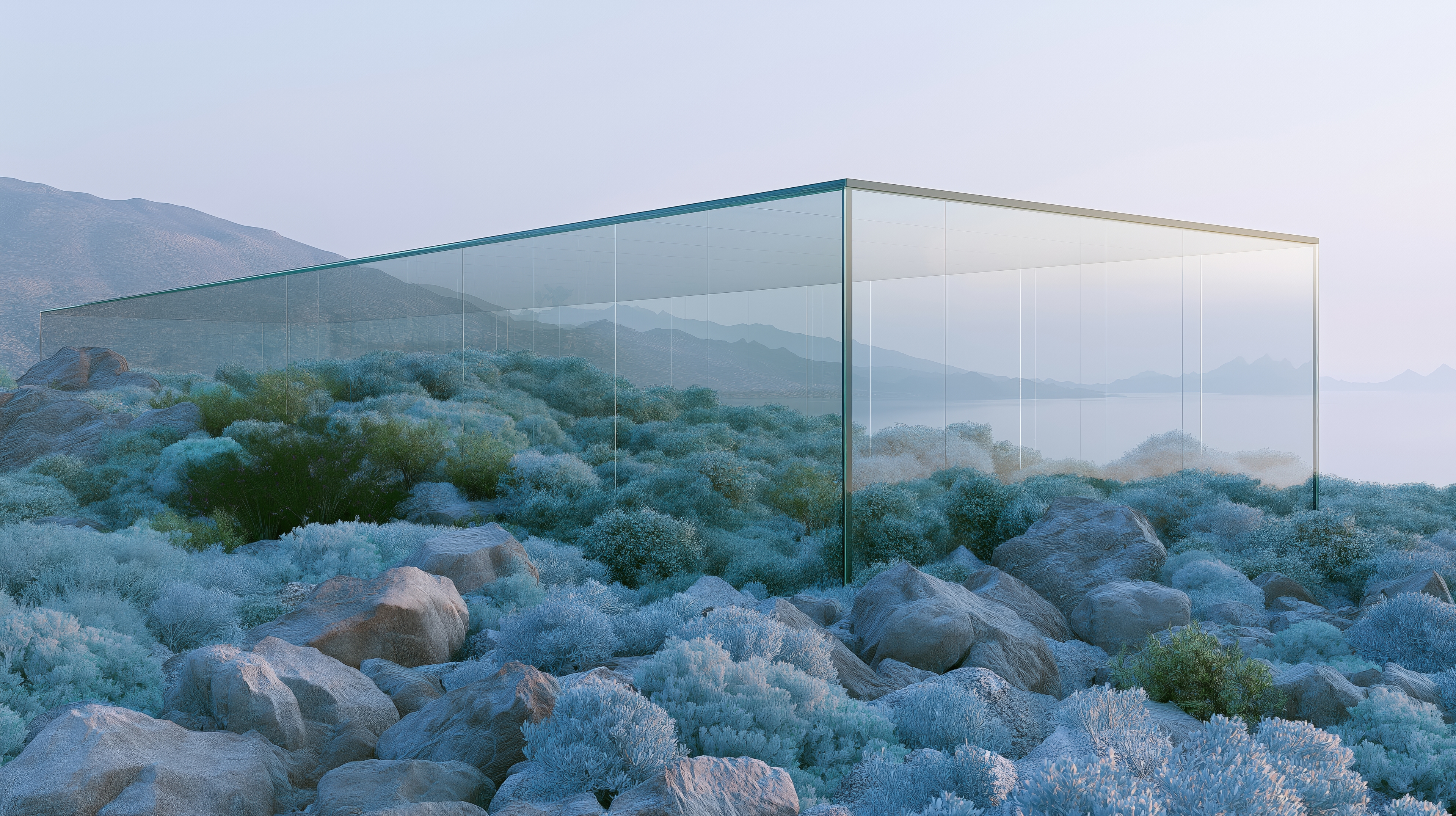
Some places exist as ideas long before they exist as locations. Architects sketch them. Designers model them. Urban planners propose them. Entire environments emerge through drawings, studies, and visualizations years before a foundation is poured or a path is built. Synthetic worlds belong to this tradition. They offer a space for exploring architecture, landscapes, and spatial concepts that remain independent of budgets, regulations, engineering requirements, and geography. The focus shifts toward the qualities of a place itself: its proportions, materials, relationship to terrain, and overall sense of coherence.

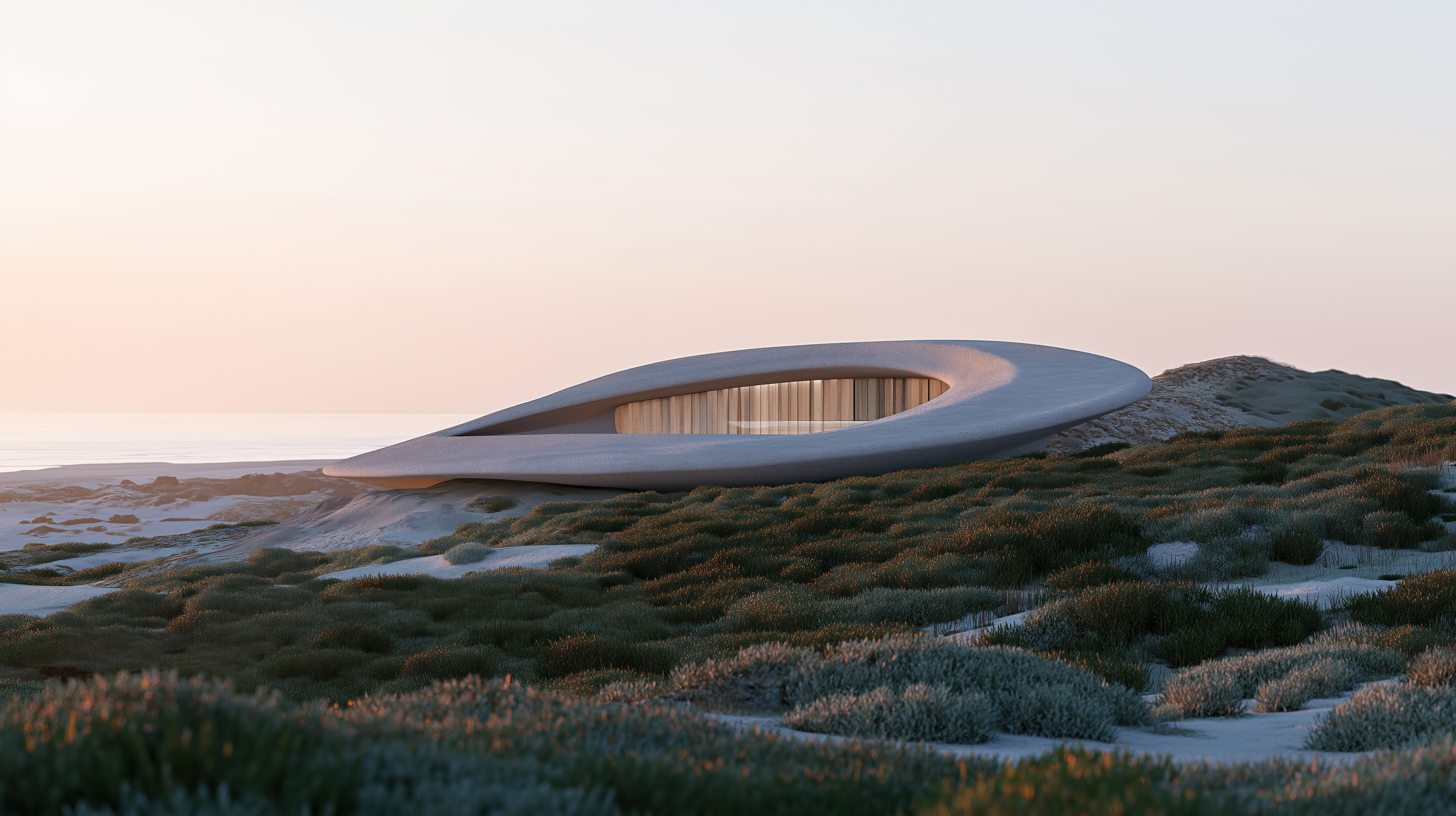
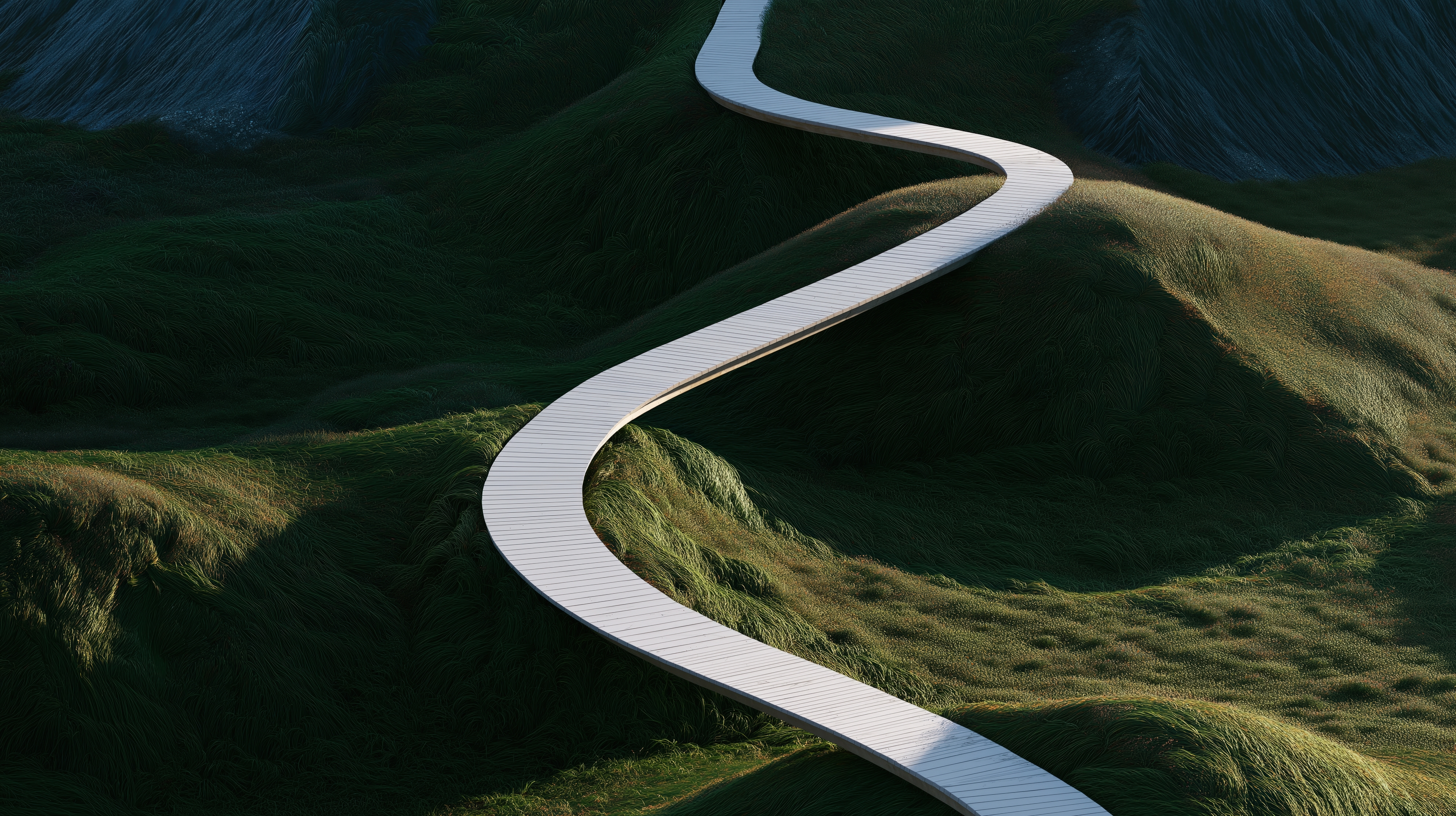
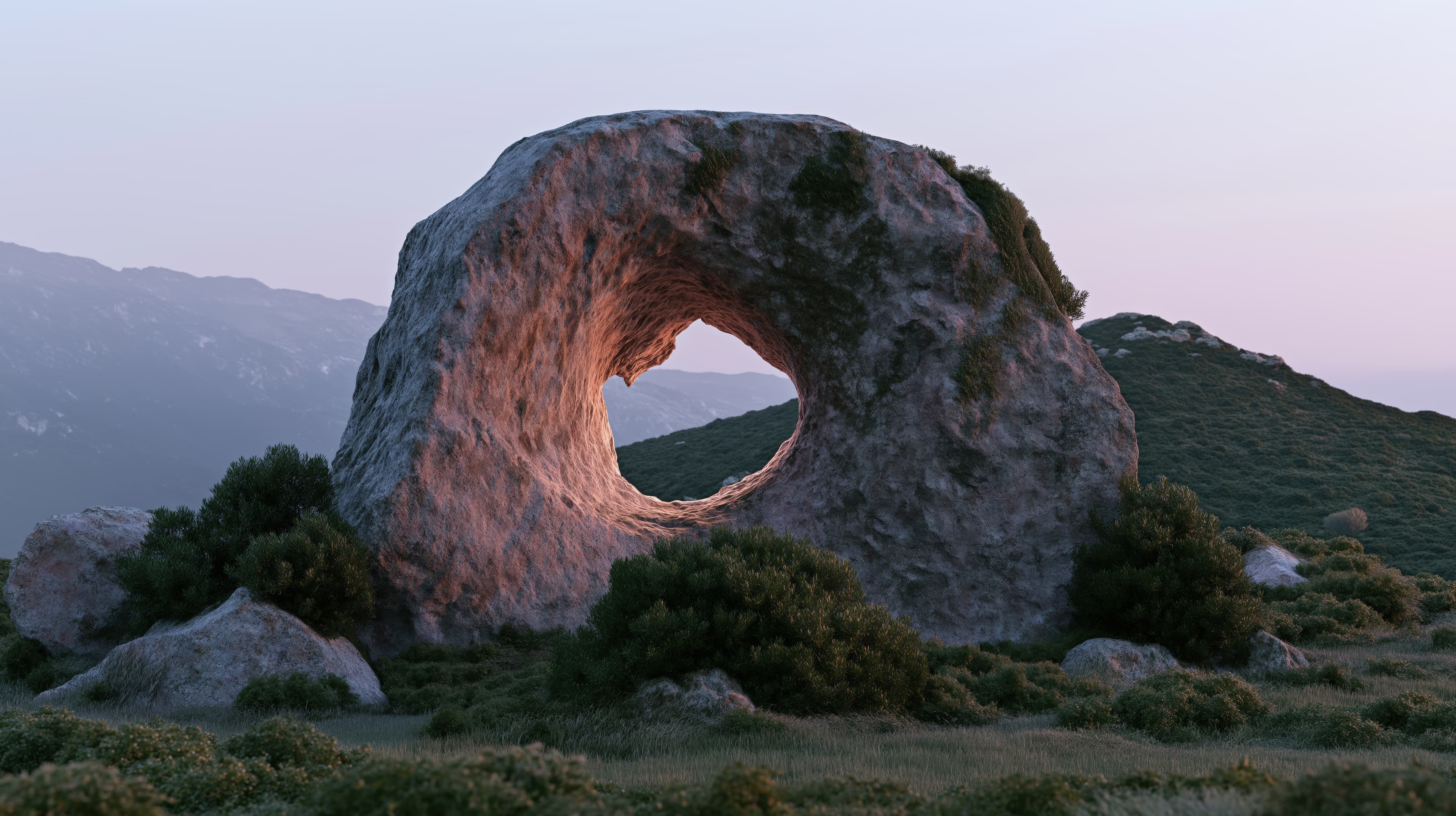
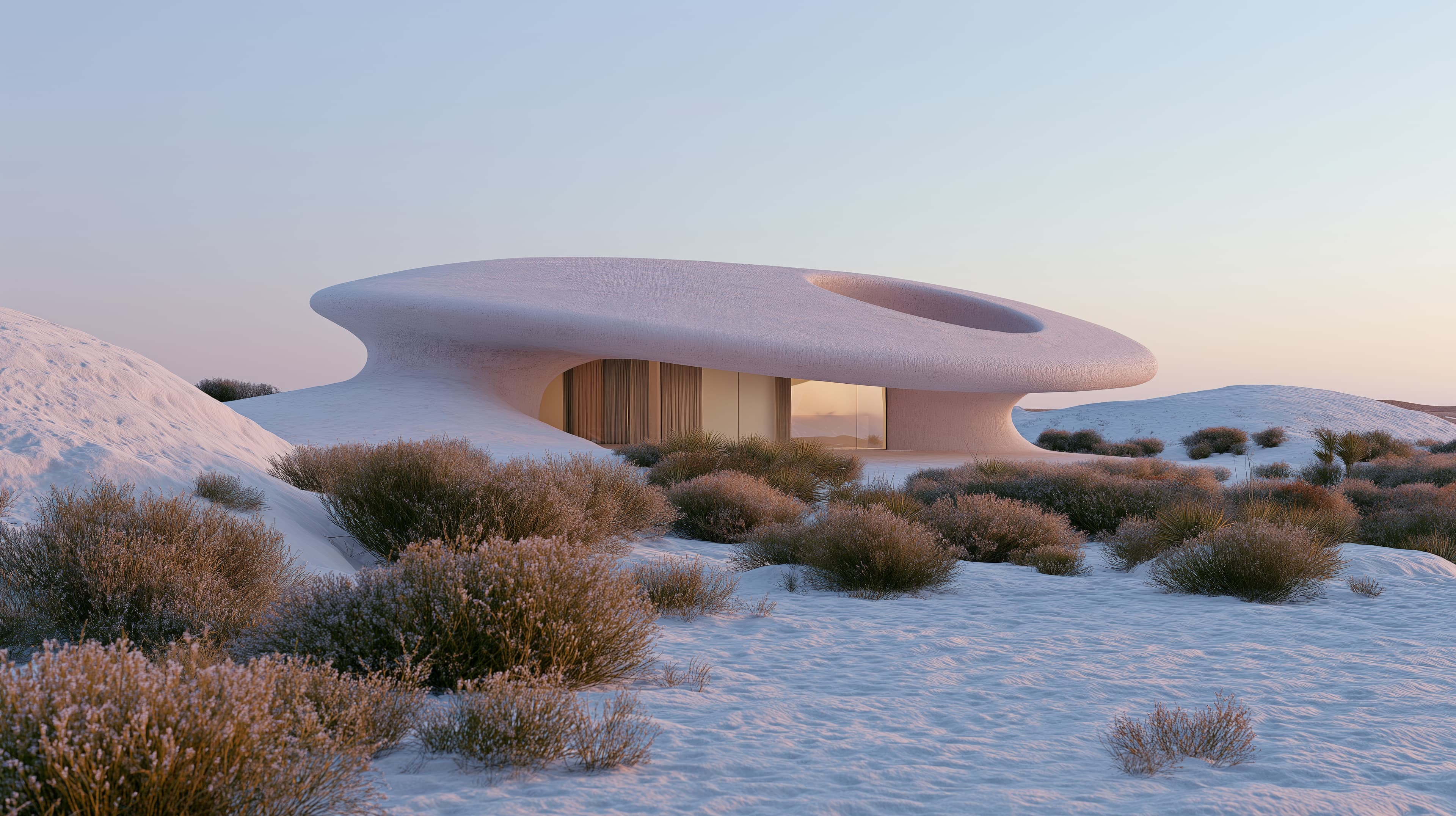
Many of these environments share an architectural mindset. Buildings follow clear geometries. Landscapes are shaped with intention. Materials are selected for their visual and tactile qualities. Every element contributes to a larger spatial composition. The result is work that feels designed rather than assembled. This approach creates opportunities for experimentation. A residence can become part of a dune system. A structure can emerge from a cliff face. A public space can occupy a landscape that would be impossible to access or develop in reality. These projects function as studies of possibility. They explore how environments might be organized when practical limitations are temporarily set aside.
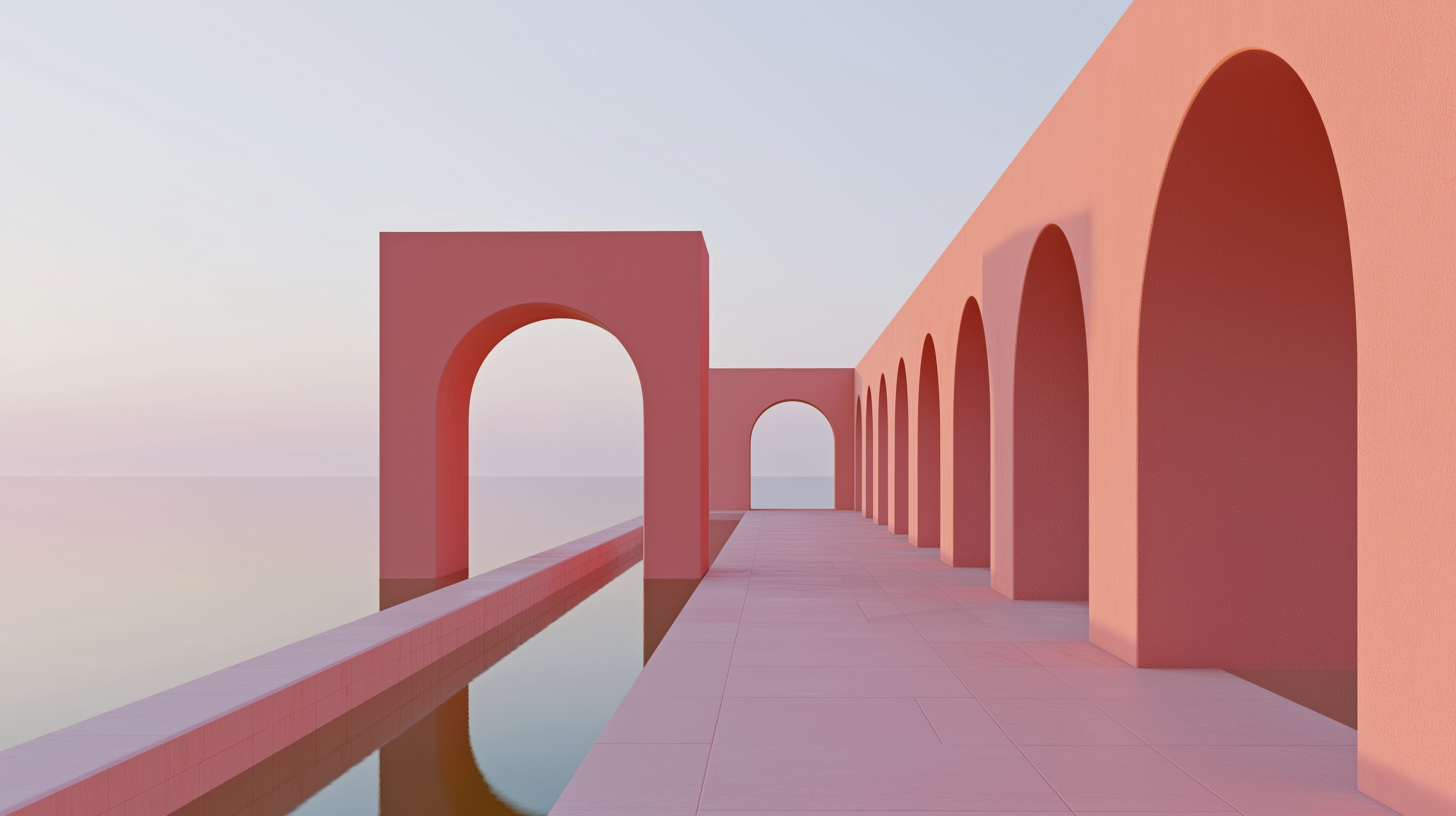
The appeal often comes from coherence. Successful synthetic worlds establish a clear relationship between architecture and landscape. Buildings belong to their surroundings. Materials respond to context. Scale remains consistent across the environment. The viewer understands the place intuitively, even when it has no physical location. Architecture has always relied on representation. Sketches, models, renderings, and visual studies allow ideas to be developed before construction begins. Synthetic environments extend this process, creating complete worlds that can be explored through images alone. In doing so, they expand the range of architectural thinking. Many of the most compelling examples feel remarkably restrained. A pavilion positioned within coastal dunes. A residence overlooking a salt basin. A pathway crossing an elevated plateau. The focus remains on proportion, placement, and the relationship between built form and landscape. Small decisions often carry the greatest impact.